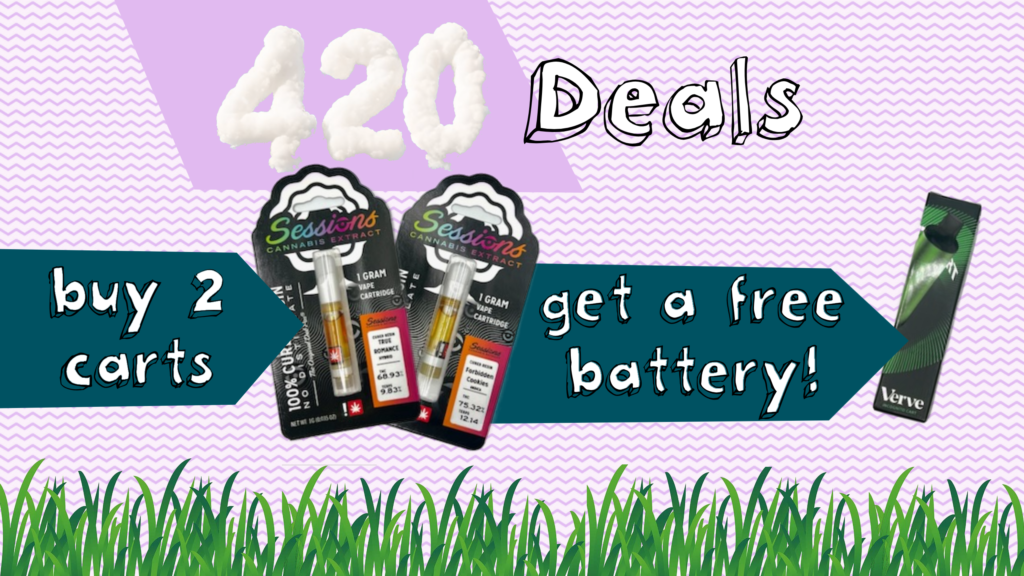
Celebrate 4/20 with Exclusive Deals at Oregon Grown Cannabis!
Join us this Sunday, April 20th, for an unforgettable celebration of cannabis culture! At Oregon Grown Cannabis in Medford, OR, we are thrilled to offer a variety of incredible deals that are sure to enhance your experience. Whether you’re a seasoned connoisseur or new to the world of cannabis, our special promotions will cater to all preferences and budgets.
Exclusive 4/20 Promotions:
Luxury Joints: Enjoy our premium 2 Gram Luxury Joint (100 Preroll Cone) for just $4.20! Experience top-quality flower packed into a convenient preroll.
Cartridge Special: Buy any 2 cartridges and receive a FREE battery! Stock up on your favorite strains while ensuring you have everything you need to enjoy them.
Gummy Treats: Indulge in deliciousness with 5 Gummies from Quality Drugs Brand for only $20! Perfect for those who love sweet treats infused with THC.
Dab Discounts: Grab 5 Dabs from Covert Brand for just $35. Elevate your session with potent concentrates that deliver pure flavor and effects.
Select Strains Offer: Get ready to explore our selection with $2 Grams on select strains! A perfect opportunity to try something new without breaking the bank.
🎉 Raffle Extravaganza!
As if these amazing deals weren’t enough, every customer who spends $50 or more will receive a raffle ticket! Don’t miss out on the chance to win one of our fantastic prizes:
🏆 Grand Prize: A stunning 14″ Beaker Water Pipe (Bong) along with a Custom OGC Wooden Rolling Tray valued at $120!
🎟️ Runner-Up Prizes: Ten lucky winners will each take home a stylish Silver Day Pipe!
Celebrate this iconic day dedicated to cannabis by visiting us at Oregon Grown Cannabis. Our friendly budtenders are here to help you find exactly what you need for an enjoyable consumption experience. We can’t wait to see you there!
Valentine’s Day is the perfect time to show your love and appreciation, and what better way to do that than with a special treat for yourself or a loved one? This year, we’re making it even easier to spread the love with an exclusive 40% off on all Farmers Friends brand products!
Whether you’re looking for cozy essentials, skincare, or sustainable goodies, Farmers Friends offers something for everyone. With our Valentine’s Day special, you can shop high-quality, eco-friendly items at unbeatable prices. It’s the perfect way to treat yourself, your significant other, or a friend who deserves something extra special.
Don’t wait—this sweet offer is only available for a limited time. Embrace the season of love with 40% off everything from Farmers Friends. Hurry, love waits for no one!
Cannabis cultivation is both an art and a science. The environment, methods, and techniques used in growing cannabis directly impact the potency, flavor, aroma, and appearance of the final product. Whether you prefer the earthy taste of outdoor-grown buds, the potency of indoor-grown flowers, or the quality achieved through light-deprivation methods, each cultivation technique has its own distinct effects on the cannabis experience.
In this article, we’ll explore the most common cannabis cultivation techniques—outdoor, indoor, and light-deprivation (greenhouse)—and break down how each method influences the overall quality of cannabis, including potency, flavor, and appearance.
Outdoor Cultivation: Natural, Sustainable, and Full of Flavor
What Is Outdoor Cultivation? Outdoor cannabis cultivation is the traditional method of growing cannabis in open fields or gardens under natural sunlight. The plants are exposed to environmental factors such as rain, sunlight, wind, and pests, which can affect their growth but also contribute to a fuller, more robust flavor profile.
How It Affects the Final Product:
Terpene Profile: Outdoor cannabis tends to develop a rich, diverse terpene profile due to exposure to varying weather conditions and environmental factors. Terpenes are aromatic compounds that give cannabis its distinctive flavors and scents, and outdoor-grown cannabis often has earthy, floral, or piney notes. The natural conditions help enhance the terpene expression, making the flavor more complex and nuanced.
Potency: Outdoor cannabis can produce potent buds, though potency tends to vary more compared to indoor-grown plants. Cannabis grown outdoors may be exposed to pests, diseases, or extreme weather, which can impact the plant’s overall health and THC levels. However, with proper care, it’s possible to grow cannabis with high THC content in outdoor conditions.
Yield and Size: Outdoor-grown plants often produce larger yields due to the vast space they have to grow. They can spread out more and achieve greater size compared to indoor plants. As a result, growers may harvest more buds per plant, though the quality may not be as consistently high as indoor-grown cannabis due to factors like fluctuating weather and pests.
Appearance: Buds grown outdoors tend to have a looser structure and may appear more leafy or less manicured compared to their indoor counterparts. They might also show signs of natural environmental exposure, such as subtle color variations or more visible trichomes (the resin-producing glands on cannabis plants).
Cost and Sustainability: Outdoor cannabis is usually the most cost-effective cultivation method. It requires fewer resources—particularly artificial light—and can be more sustainable due to its reliance on natural elements. Because of these lower input costs, outdoor-grown cannabis tends to be more affordable than indoor or greenhouse-grown options.
Best For:
Consumers who prefer organic, full-spectrum cannabis with a more complex flavor profile.
Those seeking more affordable options without sacrificing the rich experience of natural cannabis.
Indoor Cultivation: Controlled Environment for Consistency and Potency
What Is Indoor Cultivation? Indoor cannabis cultivation takes place in highly controlled environments such as grow rooms or greenhouses, where temperature, humidity, and light are all regulated to optimize plant growth. Growers use artificial lights (typically LED or HPS lights) to simulate sunlight, allowing plants to grow year-round and under ideal conditions.
How It Affects the Final Product:
Potency: Indoor cultivation allows for maximum control over the plant’s environment, resulting in higher potency and more consistent THC levels. Plants can be given exactly what they need in terms of light, nutrients, and temperature, allowing for optimal growth. As a result, indoor-grown cannabis tends to have higher THC content than outdoor-grown plants on average.
Terpene Profile: The terpene profile of indoor cannabis is often more intense and consistent. Since temperature and humidity are carefully managed, the production of terpenes can be optimized. The final product tends to have cleaner, more pronounced flavors, ranging from citrus and pine to floral or sweet notes. However, some argue that the complexity found in outdoor cannabis may not always be replicated in indoor-grown flowers.
Appearance: Indoor cannabis plants tend to be tighter, denser, and more manicured than their outdoor counterparts. Because indoor plants grow in controlled conditions, they often produce larger buds with more trichomes (the resin glands that contain cannabinoids like THC and CBD). The buds are also generally more visually appealing, with vibrant colors and more consistent shapes.
Yield and Size: While indoor cannabis yields smaller amounts per plant compared to outdoor, the overall quality of the buds is typically much higher. Indoor growers can harvest buds that are dense and uniform in size, which often results in a premium product that commands higher prices.
Cost and Resources: Indoor cultivation requires significant investment in lighting, climate control, and nutrients, which can drive up the cost of production. Because of these higher overheads, indoor cannabis is typically more expensive than outdoor-grown strains. However, the level of consistency and quality makes it worth the investment for many consumers and dispensaries.
Best For:
Those seeking the highest potency, consistent quality, and clean, refined flavor.
Consumers who are willing to pay a premium for top-shelf, high-quality cannabis.
Light-Deprived (Greenhouse) Cultivation: The Best of Both Worlds
What Is Light-Deprived (Greenhouse) Cultivation? Light-deprived or greenhouse cultivation is a hybrid method that blends both indoor and outdoor growing techniques. In this method, cannabis is grown inside a greenhouse structure, which allows the plants to receive natural sunlight during the day while being light-deprived during specific periods to control the flowering cycle. This controlled environment reduces exposure to pests, disease, and weather extremes while maintaining the natural benefits of sunlight.
How It Affects the Final Product:
Potency: Greenhouse cannabis tends to offer a middle ground between outdoor and indoor-grown cannabis in terms of potency. While greenhouse plants can achieve high THC levels, they may not match the potency of indoor-grown buds, which have stricter control over environmental conditions. However, greenhouse-grown cannabis often strikes a good balance between potency and flavor.
Terpene Profile: Like outdoor-grown cannabis, greenhouse cannabis benefits from the natural sunlight, which can contribute to a richer terpene profile. The terpenes tend to be more complex and full-bodied compared to indoor plants, but more consistent and uniform than outdoor-grown cannabis. Many greenhouse-grown buds have a well-rounded flavor that combines the benefits of both indoor and outdoor cultivation.
Appearance: The buds from greenhouse plants are often denser and more visually appealing than outdoor-grown cannabis but may not have the same level of pristine quality as indoor-grown flowers. However, the quality is generally very high, and the plants may have larger yields than indoor-grown crops.
Yield and Size: Greenhouse cultivation provides larger yields than indoor cultivation, but typically smaller than outdoor-grown plants. Since greenhouse plants are still grown in a controlled environment, they tend to produce denser buds and higher potency compared to outdoor cannabis, but with a slightly higher yield than indoor plants.
Cost and Sustainability: Greenhouse cannabis offers a more affordable option than indoor-grown cannabis, while still providing a high level of quality. Because it uses natural sunlight, it is more energy-efficient than indoor growing, making it a more sustainable option. It also tends to be mid-range in price, offering a great balance of quality and cost.
Best For:
Consumers who want a high-quality, well-balanced product that combines the best attributes of both indoor and outdoor cannabis.
Those seeking a consistent yet affordable product with a natural flavor and decent potency.
Conclusion: The Importance of Cultivation Method in Cannabis Quality
The cultivation method used to grow cannabis has a profound impact on the final product, from the potency and flavor to the appearance and yield. Here’s a quick breakdown of how each method stacks up:
Outdoor cultivation offers affordable, organic cannabis with a rich, complex flavor, though it may have lower consistency and variable potency.
Indoor cultivation produces high-potency, consistent, and aesthetically pleasing cannabis, but comes at a higher price due to the energy and resources required.
Light-deprived (greenhouse) cultivation offers a balanced product that combines natural sunlight’s benefits with the control of an indoor environment, providing a good mix of quality and cost-effectiveness.
Ultimately, the best choice depends on your personal preferences, whether you prioritize affordability, potency, flavor complexity, or consistency. Each cultivation method has its strengths, and consumers can find quality cannabis at a variety of price points to suit their needs.
When it comes to cannabis, one of the most important factors in choosing a strain is understanding the differences between sativa, indica, and hybrid varieties. Each of these strain types offers a distinct set of effects, making them suitable for different activities, times of day, and individual needs.
In this article, we’ll explore the key characteristics of each strain type, how they affect the body and mind, and help you determine which type of cannabis best aligns with your goals.
Sativa Strains: Uplifting and Energizing Effects
What Are Sativa Strains? Sativa cannabis strains are traditionally known for their energizing, uplifting, and cerebral effects. They are typically associated with a more mental high that sparks creativity, focus, and motivation. Sativas are often preferred for daytime use or social settings because they tend to keep users alert and active.
Key Characteristics:
Effect Type: Primarily uplifting and cerebral
Common Use: Daytime, work, social events, creative activities
Terpene Profile: Typically fruity, citrusy, or herbal
THC Content: Often higher in THC, though can vary
Aroma: Fresh, sweet, tangy, or citrusy
Appearance: Long, narrow leaves and tall plants
Effects of Sativa Strains Sativa strains are known for producing an euphoric, uplifting high that tends to be more cerebral than physical. The effects can be stimulating, making them ideal for:
Creative activities: Artists, writers, or musicians may find that sativa strains help enhance focus and creativity.
Social settings: Sativas tend to foster sociability and mental alertness, making them great for group settings or social activities.
Physical activity: Whether you’re going for a hike or tackling a workout, a sativa’s energizing effects can help you power through.
Common Benefits of Sativa Strains:
Mood enhancement: Helps combat depression or anxiety by elevating mood.
Focus and mental clarity: Improves concentration and alertness, making them ideal for daytime tasks.
Energy boost: A great choice if you need a natural pick-me-up without the jitters that come from caffeine.
Examples of Popular Sativa Strains:
Green Crack: Known for its energizing effects, perfect for starting your day.
Sour Diesel: A classic sativa, known for its uplifting and creative effects.
Jack Herer: Offers a balanced high with energy and focus, often used by creatives.
Indica Strains: Relaxing and Sedative Effects
What Are Indica Strains? Indica strains are commonly associated with more relaxing, sedative, and calming effects. These strains are often described as providing a “body high,” which can be ideal for unwinding, reducing stress, or preparing for sleep. Indicas tend to have higher levels of CBD (cannabidiol), which contributes to their calming effects.
Key Characteristics:
Effect Type: Primarily relaxing and sedative
Common Use: Evening or nighttime, relaxation, stress relief
Terpene Profile: Earthy, musky, or sweet (can also include floral or spicy notes)
THC Content: Moderate to high THC, often with a balancing amount of CBD
Aroma: Skunky, earthy, woody, or sweet
Appearance: Shorter plants with broader leaves and denser buds
Effects of Indica Strains Indicas are best known for their relaxing and sedative effects. After consuming an indica strain, you can expect:
Full-body relaxation: The calming effect of indicas helps relax muscles and reduce physical tension, which can be helpful for those with chronic pain or muscle spasms.
Improved sleep: Indica strains are often used to promote deep sleep, making them ideal for people who suffer from insomnia.
Stress relief: These strains are perfect for unwinding after a long day, reducing feelings of anxiety or stress.
Common Benefits of Indica Strains:
Pain relief: Indicas are often used by individuals seeking relief from physical pain or muscle spasms.
Insomnia relief: The sedative properties can help promote restful sleep, making it ideal for those struggling with sleep disorders.
Anxiety and stress management: Helps to calm the mind and body, providing relief from anxiety and tension.
Examples of Popular Indica Strains:
Granddaddy Purple: A relaxing indica with a sweet berry aroma, perfect for winding down.
Northern Lights: Known for its calming and sedative effects, ideal for nighttime use.
Bubba Kush: Provides strong relaxation and pain relief, often used for sleep.
Hybrid Strains: The Best of Both Worlds
What Are Hybrid Strains? Hybrid strains are the result of crossbreeding sativa and indica plants, and they are designed to combine the best of both worlds. Hybrids can be sativa-dominant, indica-dominant, or balanced, depending on the intended effects.
Hybrid strains offer a range of balanced effects that can cater to both mental stimulation and physical relaxation. For example, a sativa-dominant hybrid may provide the energy and creativity of a sativa, while also including the relaxing body effects of an indica.
Key Characteristics:
Effect Type: A mix of both sativa and indica effects
Common Use: Versatile, can be used at any time of day depending on the strain’s dominance
Terpene Profile: A blend of both fruity/citrusy and earthy/musky aromas
THC Content: Varies widely, but often a balanced THC profile
Appearance: A mix of the characteristics of both sativa and indica plants
Effects of Hybrid Strains Hybrids are typically bred to offer a combination of the effects from both sativa and indica strains. Depending on whether the hybrid is more sativa-dominant or indica-dominant, the effects can vary:
Sativa-dominant hybrids: Provide an uplifting high with more energy, creativity, and focus but with a touch of body relaxation from the indica parent.
Indica-dominant hybrids: Offer a relaxing high with a body high that still allows for mental clarity and focus, without the heavy sedation of pure indicas.
Balanced hybrids: Provide a middle ground, offering effects that are both energizing and calming, perfect for consumers who want versatility throughout the day.
Common Benefits of Hybrid Strains:
Versatility: Hybrids offer a range of effects that can be tailored to different times of day or activities.
Tailored experience: Consumers can choose hybrids that fit their needs—whether it’s a more relaxing, creative, or balanced experience.
Relief from both physical and mental symptoms: Hybrids can address both body and mind, making them great for overall wellness.
Examples of Popular Hybrid Strains:
Blue Dream: A perfect balance of uplifting and relaxing effects, great for any time of day.
OG Kush: Known for its calming effects, yet still provides a mental lift, making it a go-to for both relaxation and productivity.
Girl Scout Cookies: A well-loved hybrid that combines euphoric creativity with calming relaxation.
Choosing the Right Strain for You
The choice between sativa, indica, and hybrid comes down to your personal preferences, the effects you’re seeking, and the context in which you plan to consume cannabis. Here are some guidelines for choosing the right strain for your needs:
Need energy and focus? Go for a sativa strain.
Looking to relax, relieve pain, or sleep? An indica strain is likely your best choice.
Looking for a balance of both? A hybrid strain can give you the best of both worlds, with effects tailored to your mood and activity level.
Understanding these differences will help you find the ideal cannabis strain for your desired experience, whether you’re seeking euphoria, relaxation, or a creative spark.
Conclusion: Sativa, Indica, and Hybrid Strains
Cannabis offers a wide variety of effects, and by understanding the key differences between sativa, indica, and hybrid strains, you can tailor your experience to fit your lifestyle and needs. Whether you’re looking for an energizing daytime strain or a relaxing nightcap, there’s a cannabis strain for every occasion.
By choosing the right strain for your body and mind, you can optimize your experience, whether you’re unwinding at home, getting creative, or socializing with friends. And remember, if you’re looking for high-quality, well-priced cannabis, always make sure to select a reputable dispensary that offers a variety of strains to suit your needs.
Cannabis edibles are one of the most popular and discreet ways to consume cannabis, offering a variety of options beyond the traditional joints and vaporizers. Whether you’re a seasoned cannabis consumer or a newcomer looking to explore, edibles provide a unique, long-lasting experience that differs from other methods of consumption.
However, with such a wide range of edible options on the market, it can be confusing to know which product to choose. In this guide, we’ll break down the different types of edibles, focusing on key aspects like potency, cost, and time for effects to be felt, so you can make the best decision based on your needs and preferences.
1. Gummies: Sweet, Discreet, and Easy to Dose
What Are They? Gummies are one of the most popular cannabis edibles, offering a variety of flavors, shapes, and THC/CBD ratios. They’re convenient, discrete, and come in consistent doses, making them a great choice for both beginners and experienced users.
Potency: Most cannabis gummies range in potency from 5mg to 25mg of THC per serving. However, the exact dosage will vary depending on the product. Gummies with lower doses (around 5mg) are typically better for beginners, while those with higher doses (15mg or more) are suited for seasoned users who need a more potent experience.
Cost: Gummies are generally affordable, with prices typically ranging from $10 to $30 for a package of 10-20 gummies. The price depends on factors such as the brand, potency, and the use of additional ingredients like CBD, terpenes, or organic extracts.
Time for Effects: Gummies can take anywhere from 30 minutes to 2 hours to take effect, with the peak usually occurring around 1.5 to 2 hours after consumption. The onset time is relatively slow compared to smoking or vaping, as the edibles must first be digested and metabolized by the liver.
Best For:
Beginners who want easy, discrete dosing and consistent effects.
Those who are looking for a slow, long-lasting high.
2. Chocolate Bars: Rich, Decadent, and Easy to Share
What Are They? Cannabis-infused chocolate bars are a staple in the edibles market. They offer a familiar, indulgent experience, blending high-quality chocolate with cannabis extract. Some chocolate bars come with additional flavors, like nuts or caramel, for a gourmet experience.
Potency: The potency of cannabis chocolate bars can vary widely. A typical serving size might be 10mg of THC per piece, but bars often contain anywhere from 50mg to 100mg or more of THC per package. Like gummies, the dosage can be easily controlled by breaking the chocolate into smaller pieces.
Cost: Chocolate bars are typically priced between $15 and $40, depending on the potency and brand. Premium chocolate bars with high-quality ingredients, such as single-origin cacao or organic extracts, can cost more.
Time for Effects: Like gummies, chocolate bars usually take 30 minutes to 2 hours to take effect. The sugar and fat in chocolate can slow down digestion, which can sometimes delay the onset of effects compared to other edibles.
Best For:
Those with a sweet tooth looking for a familiar treat.
People seeking an edible that’s both enjoyable and potent.
3. Baked Goods (Brownies, Cookies, etc.): Classic Comfort with a Customizable Dosage
What Are They? Baked goods like brownies, cookies, or even cakes are among the oldest and most traditional forms of cannabis edibles. They offer a comforting, homemade feel and can be made with varying levels of cannabis infusion.
Potency: Baked goods typically come in a wide range of potencies, from 5mg to 25mg of THC per serving, depending on the product. However, potency can vary greatly if homemade, so it’s essential to check the packaging or recipe for proper dosing information.
Cost: Prices for cannabis-infused baked goods range from $10 to $25 for pre-packaged options. Homemade versions can be more cost-effective, depending on the ingredients used, but require knowledge of cannabis infusion.
Time for Effects: Baked goods take 30 minutes to 2 hours to take effect. The onset time can vary based on how much fat is used in the recipe, as fat helps to bind THC, slowing the digestion process.
Best For:
Consumers who enjoy the process of baking or want a more customizable edible experience.
Those looking for a nostalgic, comfort-food edible that’s both potent and delicious.
4. Capsules and Tablets: Precise Dosing, Fast Absorption
What Are They? Cannabis capsules and tablets are a no-frills, highly efficient way to consume cannabis. They typically contain a pre-measured dose of THC or CBD, making it easy for users to control their intake. These are often used for medical purposes or by users who want a more medicinal form of consumption.
Potency: Capsules and tablets often range in potency from 10mg to 50mg of THC per capsule. There are also options that combine THC and CBD for a more balanced effect.
Cost: Capsules and tablets typically cost between $20 and $50 per bottle, depending on the brand and potency. Higher-end products may contain additional ingredients like terpenes or CBD for added benefits.
Time for Effects: Capsules and tablets tend to have a slower onset of effects, usually taking between 30 minutes to 2 hours to take effect. However, they may be absorbed more quickly than edibles like gummies or baked goods due to their streamlined digestion process.
Best For:
Users looking for a precise, medical-grade dosing method.
People who need a discreet, easy-to-dose option for daily consumption.
5. Beverages (Teas, Sodas, Coffees, etc.): Refreshing and Fast-Acting
What Are They? Cannabis-infused beverages are an innovative and growing category in the edibles market. These include teas, sodas, coffees, and even sparkling waters, offering a more liquid way to consume cannabis. Some beverages also contain added ingredients like adaptogens or electrolytes for an additional wellness boost.
Potency: Cannabis beverages generally contain lower doses per serving, often around 5mg to 10mg of THC per drink. Some beverages, however, may contain higher doses (up to 100mg or more) for more experienced users.
Cost: Prices for cannabis beverages can range from $5 to $25 per bottle or can, with premium beverages containing higher-potency infusions or organic ingredients costing more.
Time for Effects: Beverages tend to have a faster onset time than other edibles, with effects often felt within 15 minutes to 1 hour due to the liquid form, which is absorbed more quickly by the body.
Best For:
Those looking for a faster-acting, hydrating option.
People who enjoy beverages as a method of consumption and want a more refreshing edible experience.
6. Tinctures: Fast Absorption and Customizable Dosing
What Are They? Tinctures are alcohol- or oil-based cannabis extracts that are usually taken sublingually (under the tongue) or added to food or drinks. They’re highly customizable, allowing users to adjust the dosage based on their individual needs.
Potency: Tinctures come in a range of potencies, from 5mg to 100mg of THC per bottle, and dosages can be adjusted easily. This makes tinctures a great option for both beginners and experienced users who want precise control over their dosage.
Cost: Tinctures generally cost between $20 and $60 per bottle, depending on the potency, ingredients, and brand.
Time for Effects: Tinctures taken sublingually can take 15 minutes to 1 hour to take effect, as they are absorbed directly into the bloodstream. When added to food or drinks, they will follow the typical edible digestion time of 30 minutes to 2 hours.
Best For:
Consumers looking for a fast-acting, customizable edible with precise dosing.
Those who prefer not to eat or drink cannabis in its traditional form but still want the benefits of edibles.
Comparing Cannabis Edibles: Potency, Cost, and Time to Feel Effects
Edible Type
Potency (per serving)
Cost
Time for Effects
Gummies
5mg–25mg THC
$10–$30
30 min to 2 hrs
Chocolate Bars
10mg–100mg THC
$15–$40
30 min to 2 hrs
Baked Goods
5mg–25mg THC
$10–$25
30 min to 2 hrs
Capsules/Tablets
10mg–50mg THC
$20–$50
30 min to 2 hrs
Beverages
5mg–100mg THC
$5–$25
15 min to 1 hr
Tinctures
5mg–100mg THC
$20–$60
15 min to 1 hr
Conclusion: Choosing the Right Cannabis Edible for You
The world of cannabis edibles offers something for everyone, whether you’re looking for a fast-acting beverage, a discreet gummy, or a potent chocolate bar. When selecting the right edible, consider the following factors:
Potency: Choose a product with a potency that aligns with your tolerance. If you’re a beginner, start with lower doses (5mg–10mg per serving).
Cost: If you’re on a budget, gummies and baked goods offer affordable options, while premium chocolate bars, tinctures, and beverages can be more expensive.
Time to Feel Effects: If you need something fast-acting, beverages and tinctures (sublingually) may be the best choice, while most other edibles take a little longer (30 minutes to 2 hours) to kick in.
Regardless of your preference, always start low and go slow to avoid overconsumption and ensure a positive experience!
Dabbing is one of the most popular methods of consuming cannabis concentrates, known for delivering potent, rapid effects with a range of different concentrate types to explore. With so many options on the market, it can be difficult to navigate which dab concentrate is the best for your preferences. This guide will break down the key types of concentrates used for dabbing, how they’re made, and the pros and cons of each.
We’ll also explore how these concentrates compare in terms of quality and price, so you can make an informed decision when selecting your next dab.
1. Shatter: The Glass-Like Classic
What is it? Shatter is one of the most iconic types of cannabis concentrate, known for its brittle, glass-like texture. It’s typically amber or golden in color and breaks into shards when handled, hence the name.
How It’s Made: Shatter is extracted using a hydrocarbon method, usually butane or propane. After the extraction, the concentrate is purged in a vacuum oven to remove any remaining solvents, which results in a pure, hard, amber-colored concentrate.
Why It’s Popular:
High Potency: THC levels in shatter typically range from 60% to 90%, making it a potent option for experienced users.
Clean Taste: Shatter tends to offer a clean, smooth flavor, but lacks the depth and complexity of some other concentrates.
Affordable: Because of its simpler extraction process, shatter is usually the most budget-friendly option.
Potential Downsides:
Brittleness: Shatter can break easily, making it challenging to handle.
Limited Terpenes: Shatter may lack the full terpene profile of more complex concentrates, offering a less aromatic experience.
Best For:
Budget-conscious users who want potency without the emphasis on flavor complexity.
Dabbers who prefer a straightforward concentrate that provides solid effects.
2. Wax: Soft, Potent, and Versatile
What is it? Wax is a popular concentrate that comes in a soft, malleable form, and it can range from a sticky, gooey texture to a more crumbly consistency.
How It’s Made: Wax is also made through BHO (butane hash oil) extraction, but unlike shatter, the extract is whipped or agitated during the purging process. This whipping creates the soft, waxy consistency.
Why It’s Popular:
Potency and Flavor: Wax typically contains THC levels between 60% and 80% and retains more terpenes than shatter, making it more flavorful.
Versatility: Wax is available in various textures, from soft and sticky to more solid, depending on the type.
Ease of Use: While it can be sticky, the texture makes it easier to handle compared to shatter.
Potential Downsides:
Sticky: The wax can be difficult to handle without getting your fingers sticky.
Lower Purity: It may not be as pure as other concentrates like diamonds or live resin.
Best For:
Those looking for a balance of potency and flavor with a manageable consistency.
Dabbers who want something more versatile and easier to work with than shatter.
3. Badder: Smooth, Potent, and Easy to Handle
What is it? Badder is a concentrate with a smooth, buttery texture that’s easy to work with and typically retains more terpenes than wax or shatter. It’s similar to wax but with a smoother, creamier consistency.
How It’s Made: Like wax, badder is extracted using BHO methods, but the key difference lies in the whipping process. Badder is agitated to create a smooth, slightly creamy texture that is easier to handle and dab.
Why It’s Popular:
Smooth and Manageable: The creamy texture makes badder one of the easiest concentrates to handle.
Flavorful: Badder retains a decent terpene profile, providing a flavorful experience without compromising on potency (typically 60%–80% THC).
Good Consistency: It’s less sticky than wax and is easier to load into a dab rig.
Potential Downsides:
Not as Potent as Other Options: While still strong, badder may not reach the potency levels of diamonds or distillates.
Possible Additives: Some badder may contain added terpenes or flavoring, which isn’t always ideal for purists.
Best For:
Users looking for a smooth, manageable concentrate that balances flavor and potency.
Dabbers who want an easier-to-handle concentrate than wax but don’t need the intensity of diamonds or live resin.
4. Rosin: Solvent-Free Purity
What is it? Rosin is a solvent-free cannabis concentrate created by applying heat and pressure to cannabis flowers, hash, or kief. This results in a natural, high-quality concentrate that preserves much of the plant’s flavor and potency.
How It’s Made: The rosin process involves using a rosin press to apply heat and pressure to the cannabis material, which extracts the oils without the use of solvents like butane or propane.
Why It’s Popular:
Solvent-Free: Rosin is favored by those who want a cleaner, more natural concentrate with no chemical residues.
Flavorful and Pure: The process retains a full spectrum of terpenes and cannabinoids, providing a rich, flavorful dab.
Natural and Clean: Rosin is ideal for purists who want to experience cannabis in its most natural form.
Potential Downsides:
Labor-Intensive: Producing rosin requires specialized equipment and can be more expensive than simpler concentrates.
Variable Consistency: Rosin can have varying textures, from sap-like to a more solid form, which can be hard to work with depending on its consistency.
Best For:
Consumers looking for a clean, solvent-free concentrate with a natural flavor profile.
Dabbers who prioritize purity and are willing to pay more for a high-quality, full-spectrum experience.
5. Live Resin: Fresh, Flavorful, and Aromatic
What is it? Live resin is a premium concentrate made from fresh-frozen cannabis plants that haven’t been dried or cured. This helps preserve the plant’s natural terpene profile, making live resin one of the most aromatic and flavorful concentrates.
How It’s Made: Live resin is extracted using hydrocarbons like butane or propane. The key difference is that the starting material is fresh-frozen cannabis, which helps preserve the plant’s original aroma and flavor.
Why It’s Popular:
Flavor and Aroma: Live resin is prized for its rich, aromatic flavor and full terpene profile, offering a more plant-true experience.
Potency and Effects: While not as potent as distillates or THCA diamonds, live resin typically contains THC levels between 65% and 85%, offering a balanced high.
Terpene-Rich: The use of fresh-frozen cannabis results in a concentrate that captures a wider range of the plant’s natural aromas and flavors.
Potential Downsides:
Price: Live resin is one of the more expensive concentrates because of its premium extraction process.
Shorter Shelf Life: Due to its high terpene content, live resin can degrade faster than other concentrates, requiring proper storage to maintain quality.
Best For:
Connoisseurs looking for a premium, flavorful dab that closely mimics the fresh cannabis plant.
Those willing to pay a higher price for a potent, aromatic concentrate.
Comparing Dab Concentrates: Quality and Price Ranking
Here’s a quick comparison of the concentrates in order of quality and price (from lowest to highest):
Rank
Concentrate Type
Quality
Price Range
1
Shatter
Lower
Lowest
2
Wax
Moderate
Low
3
Badder
Moderate
Mid-Range
4
Rosin
High
High
5
Live Resin
Premium
Highest
Conclusion: Finding the Right Dab Concentrate for You
When choosing the best concentrate for dabbing, it’s essential to consider what matters most to you—whether that’s potency, flavor, or price. Here’s a breakdown to guide your choice:
For the budget-conscious:Shatter or wax are affordable options that still offer solid potency and effects.
For those who prioritize flavor:Live resin and rosin offer rich, full-spectrum experiences, with rosin being a cleaner, solvent-free option.
For convenience and smoothness:Badder is an excellent choice for those looking for a dab that’s easy to handle while retaining a good flavor profile.
Each concentrate has its place in the world of cannabis dabbing, so understanding their quality, price, and extraction methods will help you make the best choice based on your preferences and needs. Whether you’re a seasoned dabber or new to the scene, there’s a concentrate to suit your needs.
Vape cartridges are one of the most popular and convenient ways to consume cannabis concentrates. With their ease of use, portability, and discreetness, they’ve become a staple in the cannabis market. However, not all vape cartridges are created equal. The quality of a cartridge can vary dramatically depending on the type of concentrate inside, as well as the added ingredients and extraction methods used.
In this article, we’ll take a closer look at the different types of vape cartridge concentrates, from distillates to live resin, and explore the key factors that can affect the quality of your vape experience.
1. Distillate Cartridges: The Standard of Convenience
What is it? Distillate is one of the most common forms of cannabis concentrate used in vape cartridges. It’s a purified extract that has been refined through a process called distillation, which separates individual cannabinoids like THC or CBD from the plant material, resulting in a high-potency oil.
How It’s Made: The distillation process involves using heat and a vacuum to isolate specific compounds, stripping away other cannabinoids, terpenes, and impurities. This leaves behind a nearly pure cannabinoid extract, often over 90% THC, but without much of the flavor or aroma of the original strain.
Why It’s Popular:
Potency: Distillates are known for their high THC content, often exceeding 90%, making them an attractive option for users seeking a strong, fast-acting effect.
Affordability: Since distillates are mass-produced and highly refined, they tend to be less expensive than concentrates like live resin or rosin.
Consistency: Distillates are uniform and predictable in terms of potency, which makes dosing easier.
Potential Downsides:
Lack of Flavor and Terpenes: Because the distillation process strips away terpenes, distillates often lack the flavor and aroma that many cannabis consumers enjoy.
Added Ingredients: To improve flavor and vapor quality, distillates are often thinned with cutting agents like propylene glycol (PG), vegetable glycerin (VG), or other additives. While these ingredients are generally recognized as safe, some users prefer to avoid them.
Best For:
Users who prioritize potency and efficiency over flavor.
Budget-conscious consumers who want a reliable, high-THC experience.
2. Added Ingredients: Flavoring and Cutting Agents
What Are They? Some vape cartridges, especially those using distillate, may contain added ingredients to enhance the experience. These ingredients can be flavorings, terpenes, or cutting agents. Here’s what you should know about them:
Terpenes: Terpenes are aromatic compounds found in cannabis that contribute to its distinctive flavor and aroma. Some cartridges add back terpenes to distillates to create a more authentic, full-spectrum cannabis experience. These terpenes can be derived from the cannabis plant or created synthetically.
Flavorings: Some brands add artificial or natural flavoring agents to improve the taste of the vape. These are especially common in cartridges aimed at novice consumers or those who prefer sweeter, fruitier tastes.
Cutting Agents (e.g., PG, VG): Cutting agents are added to thin the concentrate, making it easier to vaporize. Propylene glycol (PG) and vegetable glycerin (VG) are two of the most common. While these substances are considered safe for consumption in small quantities, some users may be wary of inhaling them, as they are not naturally occurring in cannabis.
Why It Matters:
Flavor and Aroma: Terpenes and natural flavorings can improve the overall experience, giving the vape a more robust, authentic cannabis taste. However, synthetic additives can sometimes affect the flavor or may not appeal to all users.
Health Considerations: While PG and VG are generally recognized as safe, inhaling them in large quantities over time is still a point of debate. Some users prefer to avoid vape products with cutting agents, opting for more natural concentrates.
Best For:
Users looking for specific flavor profiles or smoother vapor production.
Those who prefer products without additives and extra chemicals.
3. Cured Resin Cartridges: Preserving the Plant’s Essence
What is it? Cured resin is a concentrate made from cannabis flowers that have been harvested and dried in the traditional way. Unlike live resin, which uses fresh-frozen cannabis, cured resin preserves the essence of the plant through the natural curing process. This concentrate is rich in cannabinoids and terpenes, giving it a fuller, more complex flavor profile.
How It’s Made: Cured resin is produced using hydrocarbon extraction methods, often involving butane or propane, to isolate cannabinoids and terpenes from cured cannabis flowers. The result is a concentrate that contains a higher terpene content than distillates, which helps preserve the original aroma and flavor of the strain.
Why It’s Popular:
Fuller Flavor Profile: Cured resin maintains the terpene profile of the original flower, offering a richer flavor and aroma compared to distillates.
Authentic Experience: It provides a more “true-to-plant” experience for users who prefer the natural flavors and effects of cannabis.
High Potency: While not as potent as distillates, cured resin typically contains THC levels between 60% to 80%, making it a good balance of potency and flavor.
Potential Downsides:
Less Potent than Distillates: If you’re seeking the highest THC content, cured resin may not be as strong as distillates or other high-potency concentrates.
Price: Cured resin is often more expensive than distillates due to the more complex extraction process and the quality of the starting material.
Best For:
Cannabis connoisseurs who prioritize flavor and the full-spectrum experience.
Users who want a more natural, aromatic concentrate without sacrificing too much potency.
4. Live Resin Cartridges: The Freshest, Most Flavorful Option
What is it? Live resin is a high-quality concentrate made from cannabis flowers that are flash-frozen immediately after harvest. This process helps preserve the plant’s delicate terpenes, resulting in a concentrate with a superior flavor profile and aroma. Live resin cartridges are a premium option for vape enthusiasts looking for the most flavorful and aromatic experience.
How It’s Made: Live resin is extracted using similar methods to cured resin, but the key difference is that the starting material is fresh-frozen cannabis, rather than dried and cured flower. This helps retain a wider range of terpenes and cannabinoids, resulting in a more complex, flavorful concentrate.
Why It’s Popular:
Unmatched Flavor: Live resin is renowned for its rich, full-spectrum flavor and aromatic profile, making it a favorite among cannabis enthusiasts.
Potent and Effective: Live resin typically has a THC content in the range of 65% to 85%, offering a potent experience while still preserving the entourage effect of cannabinoids and terpenes.
Terpene-Rich: It’s the best choice for users who enjoy flavorful vapes and want a high-quality experience.
Potential Downsides:
Cost: Live resin is often the most expensive cannabis concentrate due to the preservation of terpenes and the complexity of the extraction process.
Lower Shelf Life: Because live resin is made from fresh material, it has a shorter shelf life compared to cured resin or distillates.
Best For:
Connoisseurs who prioritize flavor, aroma, and a high-quality vaping experience.
Users who want a potent yet flavorful cartridge that stays true to the cannabis plant.
5. Rosin Cartridges: Solvent-Free Purity
What is it? Rosin is a solvent-free cannabis concentrate made by applying heat and pressure to cannabis flowers, hash, or kief. The result is a pure concentrate that maintains the natural terpenes and cannabinoids of the plant, without any chemical solvents involved.
How It’s Made: Rosin is made by pressing cannabis material between two heated plates. The heat and pressure cause the resinous oils to be released, which are then collected and packaged into cartridges for vaping.
Why It’s Popular:
No Solvents: Rosin is prized for being solvent-free, which makes it appealing to those who want a cleaner, more natural concentrate.
Flavor and Potency: Rosin preserves the plant’s full terpene profile, offering a rich flavor and a potent experience.
Purity: Because it’s made without solvents, rosin is seen as a more natural, “whole-plant” concentrate.
Potential Downsides:
Price: Due to the labor-intensive extraction process, rosin is often more expensive than distillate or cured resin.
Consistency: Rosin cartridges can vary in consistency, and some may require specific handling or devices for optimal vaporization.
Best For:
Users looking for a pure, solvent-free vaping experience.
Those who prioritize quality and natural flavor over cost.
Conclusion: Which Vape Cartridge is Right for You?
When choosing a vape cartridge, it’s essential to consider what you value most—whether it’s potency, flavor, or purity. Distillates are affordable and highly potent, but they lack the flavor profile of concentrates like live resin and rosin. Live resin and cured resin, on the other hand, provide richer flavors and a more authentic cannabis experience.
Cannabis concentrates have become a cornerstone of modern cannabis consumption, offering potent, fast-acting effects and a range of different experiences. Whether you’re seeking the intense high of a dab or the discreet convenience of a vape cartridge, there’s a concentrate consumption method to suit nearly every preference. In this guide, we’ll take you through some of the most popular ways to consume cannabis concentrates, from vaping to edibles, and everything in between.
Cannabis concentrates have come a long way from the days of simple hash and kief. As the cannabis industry continues to innovate, a variety of new concentrate types have emerged, each offering distinct benefits and unique experiences. Whether you’re a seasoned enthusiast or a curious newcomer, understanding the different types of concentrates can help you make more informed choices when it comes to your cannabis consumption.